The Remoy Wears a Dress Episode
EPISODE SUMMARY
That’s right! This week, we’re talking about when boys wearing dresses was the norm. Your boy Remoy was no exception. Professor Jo Paoletti joins us this week to uncover the history of dresses for babies, and when it all changed.
EPISODE NOTES
Boys can’t wear dresses, they say….but was that always true? This week, Professor Jo Paoletti stops by the pod to let us know why boys stopped wearing dresses.
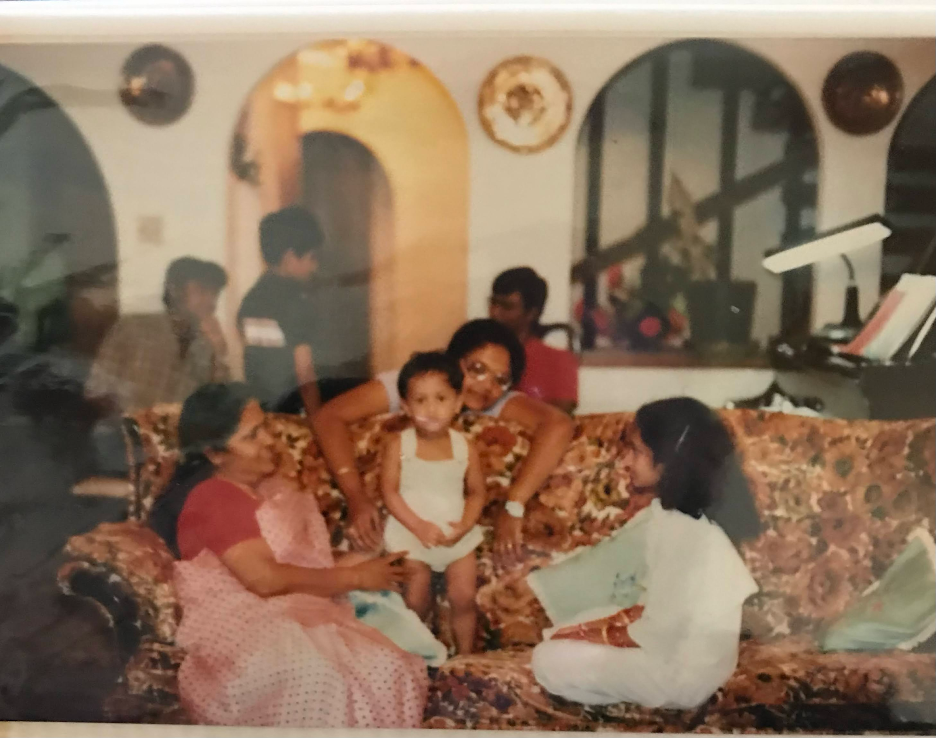
Remoy starts us off with a visual…of none other than himself swagged out in a dress as a baby.
You may be thinking to yourself, is that a Texan thing? Is it his worldly background? Nope! Boys used to wear dresses…
He taps in Professor Jo Paoletti who gives us the scoop.
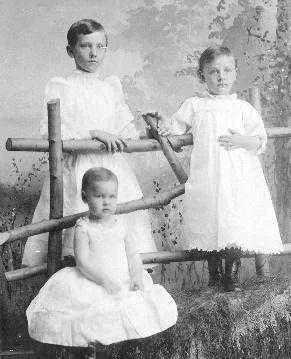
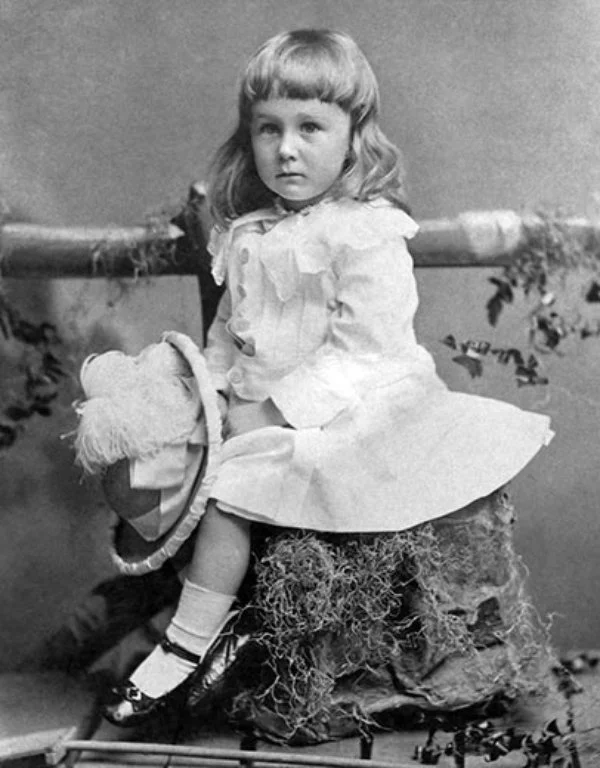
So all babies used to wear dresses, but what does that mean? Was it always the skirts and lace we see on babies these days? Not exactly….
Clothing used to be purely practical and not necessarily a way to announce a kid’s gender through their fashion…
In fact, using clothing to distinguish kids’ gender was against the grain for a while…
We recently talked about the 1800s as a pivotal era in men’s clothing, but for baby boys and girls, the move was to keep things as gender neutral as possible.
There were concerns about boys’ behavior that made dresses the better choice. Listen to find out what behavior society was told to suppress…
The clothing choice was not just about suppressing certain behaviors; it was about function. In what sense? Professor Paoletti breaks it down.
Color came up in our Fashion Is Resistance episode, but about the babies? Did it start off as blue and pink? Great question - listen to find out….
Then the ‘80s happened and a new concern emerged (surprise it’s the ‘80s again)…
This time, it’s not Reagan… But what was it that made it suddenly so important to distinguish male and female babies from each other at a glance? Take a guess… It’s not so different from the conundrum we’re facing today…
Jo Paoletti charts the evolution from functional to purposely gendered clothing.
There was a shift in the family structure that caused a butterfly effect for boys and they were failing to meet expectations… It sounds familiar, doesn’t it?
Boys could have been the ones to keep the dresses, but they didn’t; why? Jo paints the picture for us.
It wasn’t just young boys’ behavior that was a concern, but young men’s in general.
Psychologists got involved in this clothing shift at the turn of the century.
The Industrial Revolution strikes again and shifts the currents of fashion for all ages…
The distinction between boys and girls in fashion would supposedly help curb “deviant” behavior in men.
A familiar refrain starts taking over the conversation on men’s behavior - spending too much time with their mothers… Enter the Boy Scouts, enter sports, anything to keep the MASKulinity in boys.
Industries follow the conversation and new choices pop up in stores. Consumerism helps ensure the shift.
But when we say boys, it wasn’t all boys… There was a particular ideal that boys and eventually men, would be expected to model.
It’s what all roads lead to so far this season…
Perhaps the most important point Jo makes in this episode is that we all perform gender in some way… Drag of a sort, if you will.
Might come as a surprise, but let us humor you!
Was this episode shocking, surprising, old news? Let us know in the comments!
Referenced on this episode:
Our recent episode, Fashion Is Resistance
COMPANION PIECES:
Our illustrious guest, Jo Paoletti write extensively about this; read more:
When we talked about Black dandyism and suits with stylist and writer Joe Wilkes
Long time ago, we talked about the Boy Scouts…
Our Guest This Week
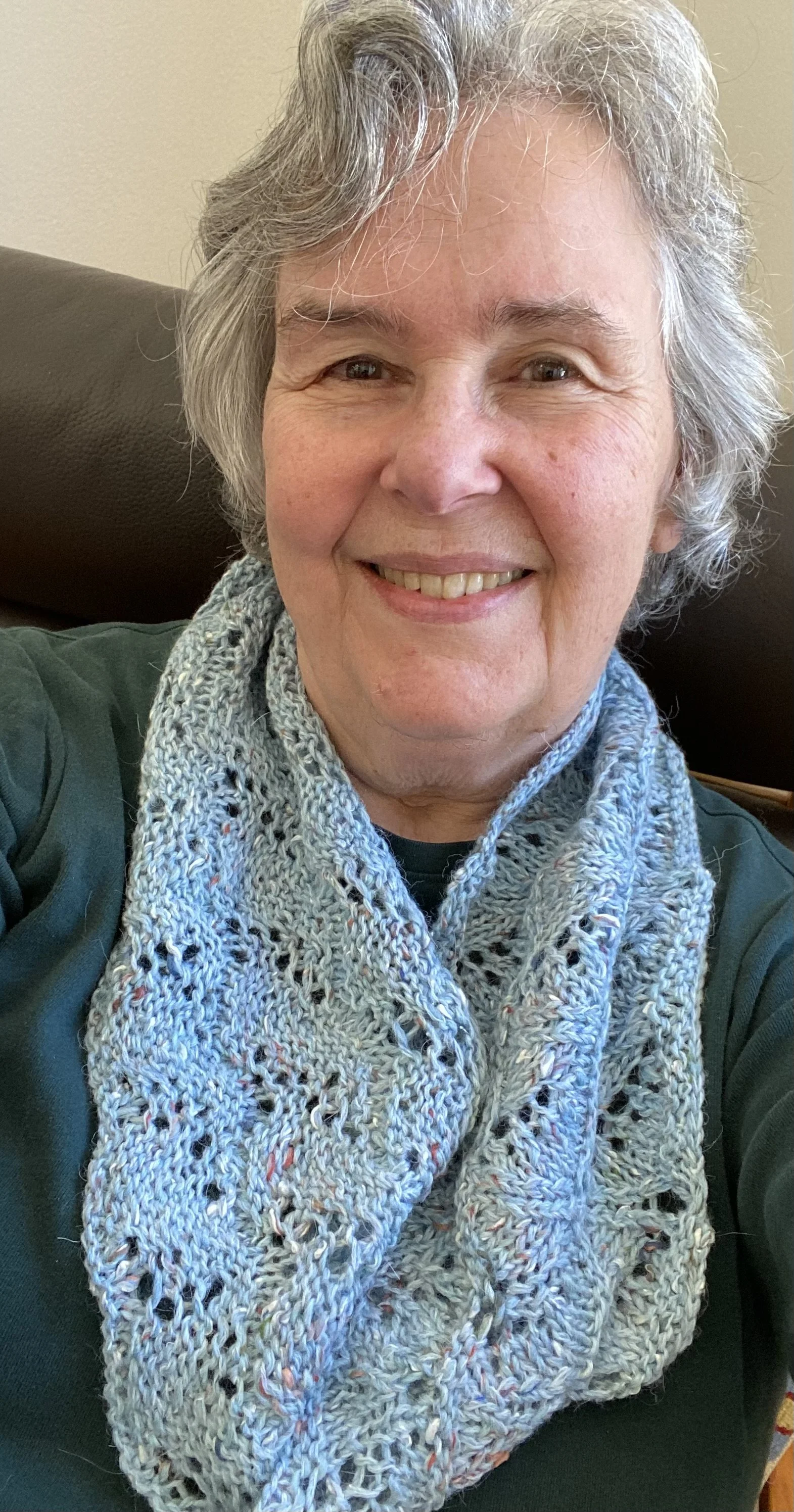
Jo Paoletti
Jo Paoletti is a Professor Emerita whose training is in apparel design and the history of textile and clothing. She has spent nearly forty years researching and writing about gender differences in America fashion.Her monograph, Pink and Blue: Telling the Boys from the Girls in America, was published in 2012, and in 2015 she published Sex and Unisex: Fashion, Feminism, and the Sexual Revolution. A founding member of The International Society for the Scholarship of Teaching and Learning (ISSOTL), she has also published articles and book chapters on service-learning, undergraduate research, and the use of new technologies in humanities teaching.