The Fresh Prince and 📺 Episode
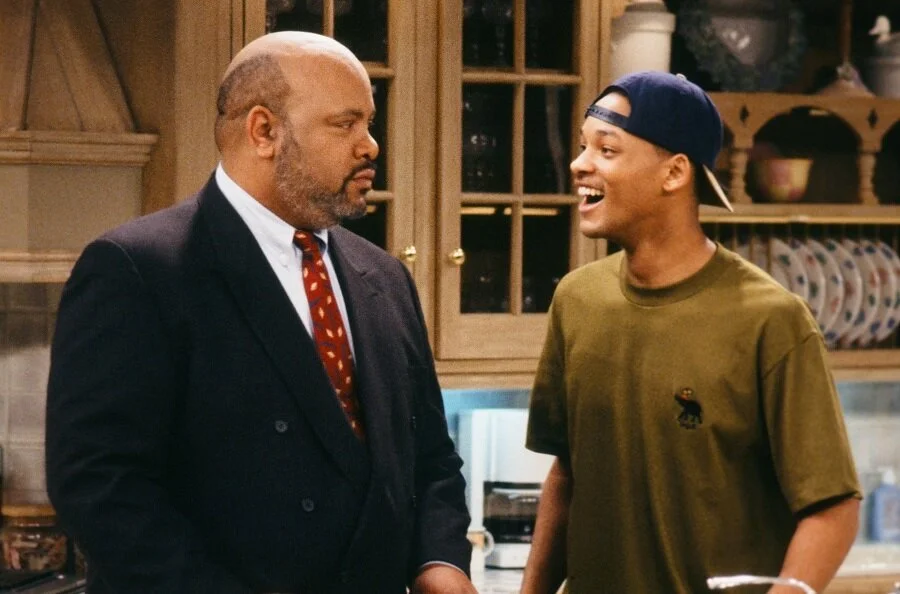
Uncle Phil and Will Smith in The Fresh Prince of Bel Air (Photo Cred: Yahoo!)
SUMMARY
This week, we’re joined by media scholar and psychologist Soraya Giaccardi. She shares her work analyzing gender depictions in TV and helps Remoy and Samantha psychoanalyze their relationship to a TV classic and one of their faves, “The Fresh Prince of Bel Air.”But first, Remoy walks us through some surprising facts about boys’ TV shows.Who are the leading characters in boys’ TV shows? Remoy shares some stats from Soraya’s seminal report (check it out; it’s linked below) about how genders are represented in leading roles.Turns out that there is surprising parity among the binary genders in leading character representation.Girls being in leading roles is not as big a deterrent in boys’ TV shows as we might collectively think… More on that later.Women and girls are way more represented than they used to be, but how much are current gender depictions on boys’ TV shows challenging MASKulinity? The hosts discuss, with some valuable insights from our media scholar guest.LGBTQIA+ characters are still seldom the leading roles in boys’ TV. Soraya hypothesizes why that might be…One factor that remains consistent is that boys remain perpetrators of violence on screen… and the victims of it. There’s still so much work to do when it comes to men’s and boys’ representations on screen.While boys are disproportionately harmed on screen, we don’t always see them processing that violence emotionally…
What show shaped your views of gender and romantic relationships? Let us know in the comments!
Remoy draws key points from Soraya’s report on how these depictions, or lack thereof, impact us boys in their real life.How exactly are boys’ relationships with their close ones depicted on the small screen compared to their fellow femme characters? This all informs how they interpret gender.Soraya stresses the importance of deconstructing these stereotypes as boys intake them during formative years.Despite making so much headway in balancing the binary genders, boys continue to primarily show just one emotion on screen… You guessed it: anger.We watch TV a lot more than we used to as a society. It’s available virtually at any time, on any nearby screen.How has that impacted the way we process TV shows? Soraya breaks down the connections between our viewership and our socialization in romantic and platonic relationships.Remoy and Samantha take a walk down memory lane, reflecting on one of their favorite TV shows, The Fresh Prince of Bel Air.Samantha shares how the show shaped her views of femininity and romantic relationships. Sue the woo! Track.Remoy looks back on a pivotal scene between Uncle Phil and Will. You’ll recognize it when you hear it.Soraya’s analysis highlights a critical knowledge on what supportive parenting can look like for boys as modeled by this touching scene.
In our Five Questions segment, the hosts go expectedly deeper.What does TV’s impact look like in our lives?How does it manifest and what can we do about it? Soraya drops some key research findings about the way we relate to characters on screen.TV depictions aren’t just impacting us unwittingly; characters and storylines on the small screen also allow us to access liberation in some ways…Soraya shares her own experience with TV as a youngster and how it can bridge us to worlds unknown, which for many of us, can be a connection to communities we long for.The surprising stats about women being more present on TV bring up an interesting point: if girls are just as likely to draw a boys’ audience, why do we think that otherwise?Soraya cautions us about our own perceptions and how knowing the facts can shatter them.She stresses how controlling the narrative keeps us in the patriarchal loop of our own perceptions. Statistical facts humble us with the truth and can boys, men, masc folks, and all of us, really, closer to the truth.Soraya shares about this dream job marrying psychology and communications. We’re glad she chose this route!
Referenced on this episode:
ENCORE: It *Was* Time to Loosen the Grip on Reproductive Freedom - Heidi Sieck schooled us on how controlling narratives led to the reversal of Roe vs. Wade..MASKulinity is making some people a lot of money - we talked about how women-led movies are of much better quality and get much better ratings than they get credit for…“If He Can See It, Will He Be It? Representations of Masculinity in Boys’ Television”, the report Soraya wrote at the Geena Davis Institute in partnership with Equimundo and the Kering FoundationCultivation theory - read about TV impacts us over timeMedia Use and Men’s Risk Behaviors: Examining the Role of Masculinity Ideology - cowritten by our illustrious scholar guest, Soraya Giaccardi
COMPANION PIECES:
Trivia Night! Movie Time? Romance and Loneliness Edition - we talked about depictions of thoughtful fatherhood on screenRadicalization and TSwift - we talked with Jeff Perera about how men relate to women’s jokesRomance MASKulinity: Getting the Girl… - we talked with Imran Siddiquee about what romance in movies teaches men and boys about masculinity
OUR GUEST THIS WEEK:
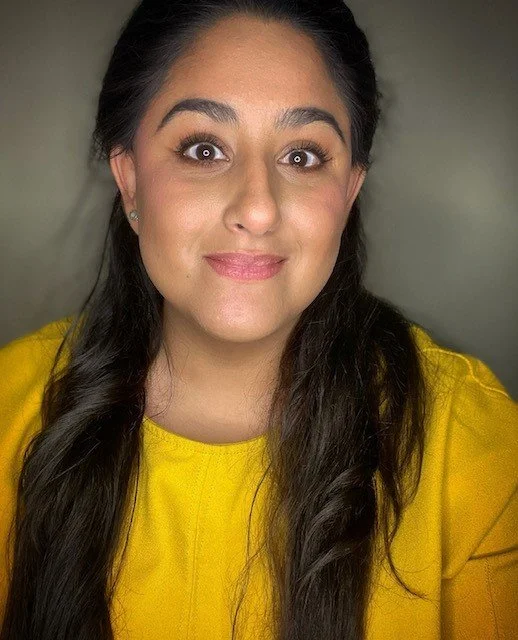
Soraya Giaccardi
Soraya Giaccardi is a researcher, consultant, and speaker working at the intersection of media/entertainment and culture change. She is a Senior Researcher at the Media Impact Project (MIP), the research and evaluation arm of The Norman Lear Center at the USC Annenberg School of Communication and Journalism.